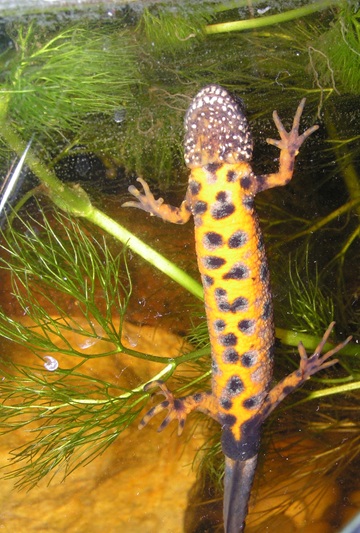
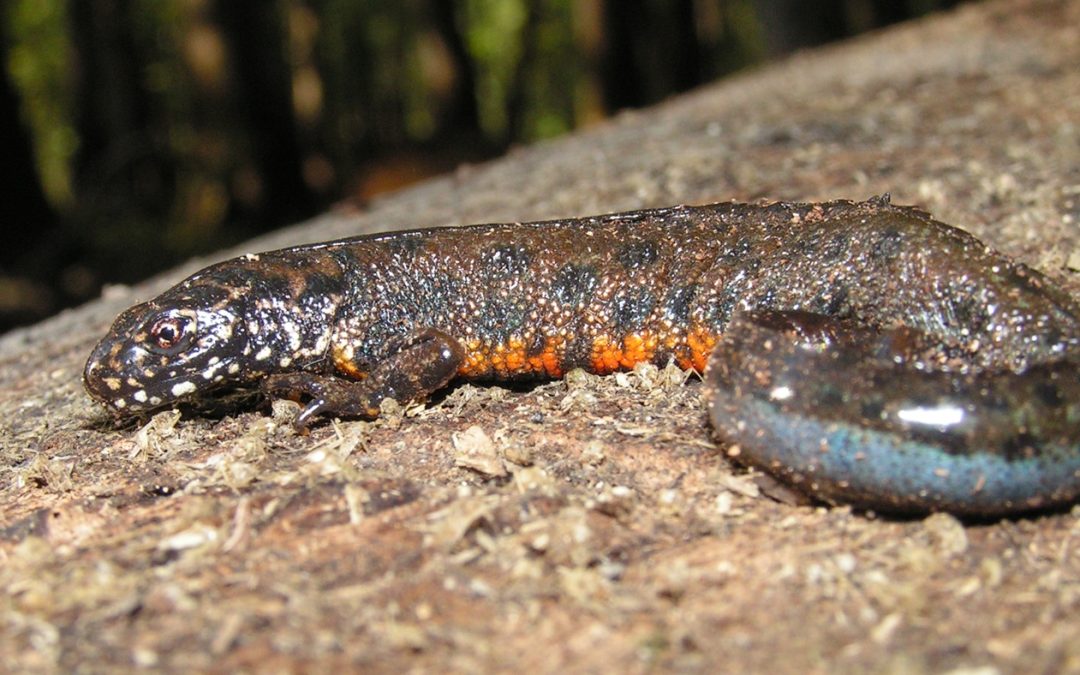
The Danube Dragon Action Plan – Action Plan for the Danube Crested Newt (Triturus dobrogicus) has now been officially published, marking an important step forward for the conservation of one of Europe’s most remarkable amphibian species and the wetland ecosystems of the Danube Basin.
The strategic document was developed within the framework of the DANUBEdragonCONSERVATION project coordinated by DANUBEPARKS Network, with the scientific and expert contribution of numerous members of Societas Europaea Herpetologica (SEH). The work was primarily carried out through the dedicated efforts of experts gathered around the SEH Conservation Committee, bringing together herpetologists, conservation practitioners, and researchers from across Europe.
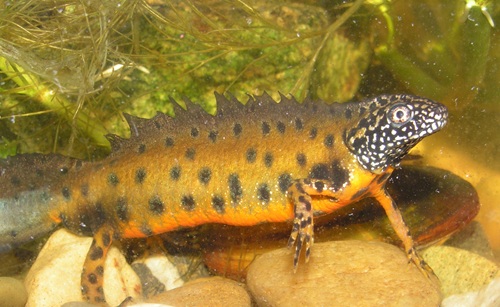
The newly published Action Plan represents years of scientific collaboration, field research, expert consultations, and international coordination focused on securing the long-term future of the Danube Crested Newt, also known as the “Danube Dragon”. The species, Triturus dobrogicus, is endemic to the wetlands and floodplains connected to the Danube River system and serves as an important indicator of healthy wetland ecosystems.
The Action Plan provides a comprehensive overview of the species’ biology, ecology, distribution, threats, and conservation needs across its entire range in Central and Eastern Europe. It identifies key conservation priorities including wetland restoration, preservation of floodplain habitats, improvement of hydrological connectivity, invasive species management, research and monitoring activities, and strengthening public awareness about amphibian conservation.
A particularly important aspect of the work was the strong international cooperation established through the DANUBEdragonCONSERVATION initiative. Experts from multiple countries contributed data, regional assessments, and practical conservation experience to create a unified strategic framework for the species across the Danube Basin. The document also highlights the growing role of innovative monitoring approaches, including environmental DNA (eDNA) techniques, for more effective detection and monitoring of amphibian populations.
The preparation of the Action Plan demonstrates the important role of SEH Conservation Committee members in supporting applied conservation initiatives at the European level. Through their expertise and long-term dedication to amphibian and reptile conservation, SEH experts contributed significantly to the development of this strategic conservation framework.
The publication of the Danube Dragon Action Plan establishes a strong foundation for future conservation activities and international collaboration dedicated to protecting the unique biodiversity of Danube wetlands. By combining science-based conservation planning, habitat restoration, transboundary cooperation, and public engagement, the initiative contributes to safeguarding one of Europe’s most iconic amphibian species for generations to come.